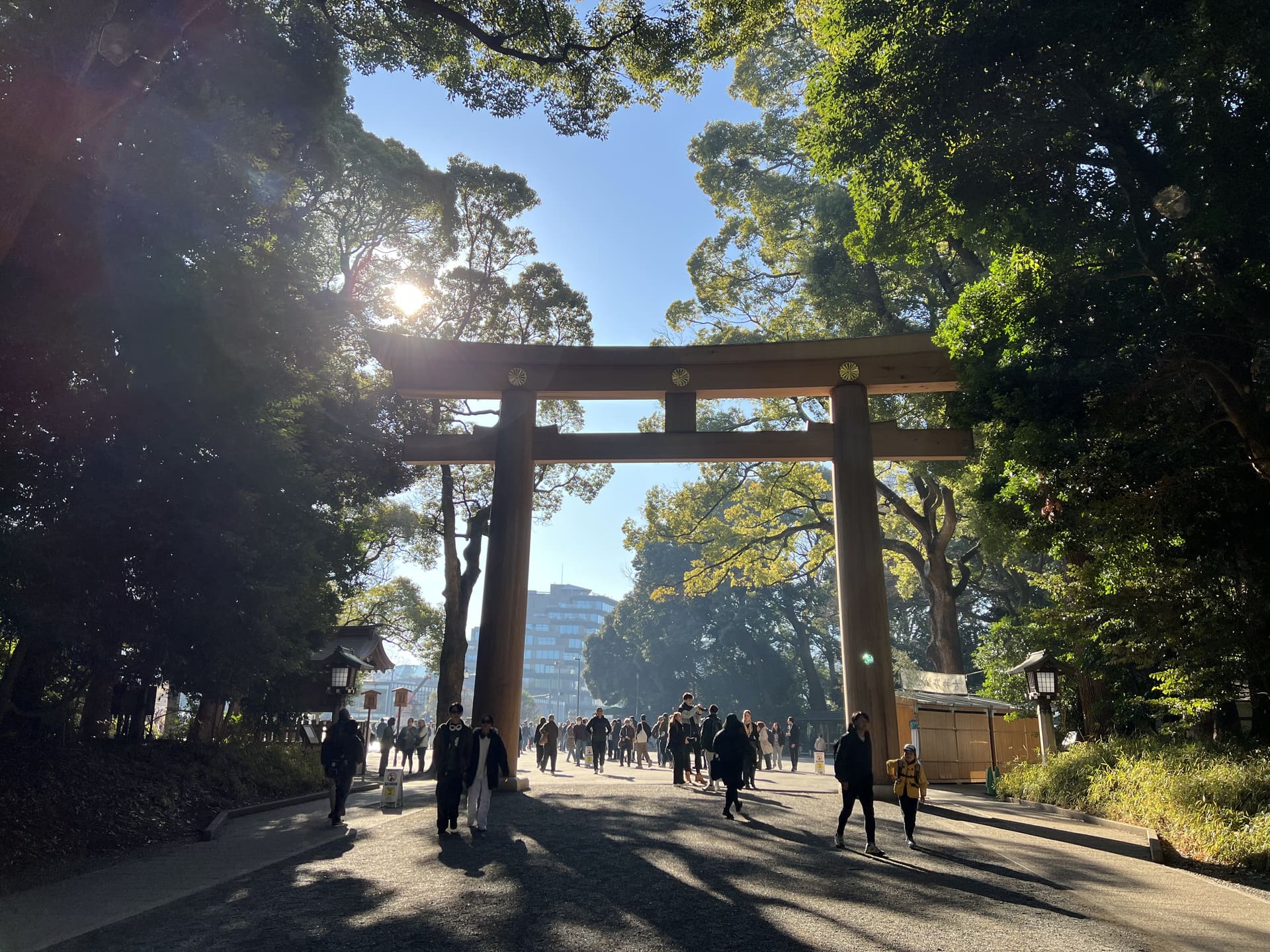
This route from Gotanda covers Meiji Shrine in Harajuku, a ramen lunch and the Sunshine 60 Observatory in Ikebukuro, and the Meiji Memorial Picture Gallery and Shinjuku Gyoen in Sendagaya. It's a great fit for travelers who want a mix of everything: a historic forest shrine, a casual local lunch, a city-view observatory, and a quiet, formal garden.
Morning: Meiji Shrine
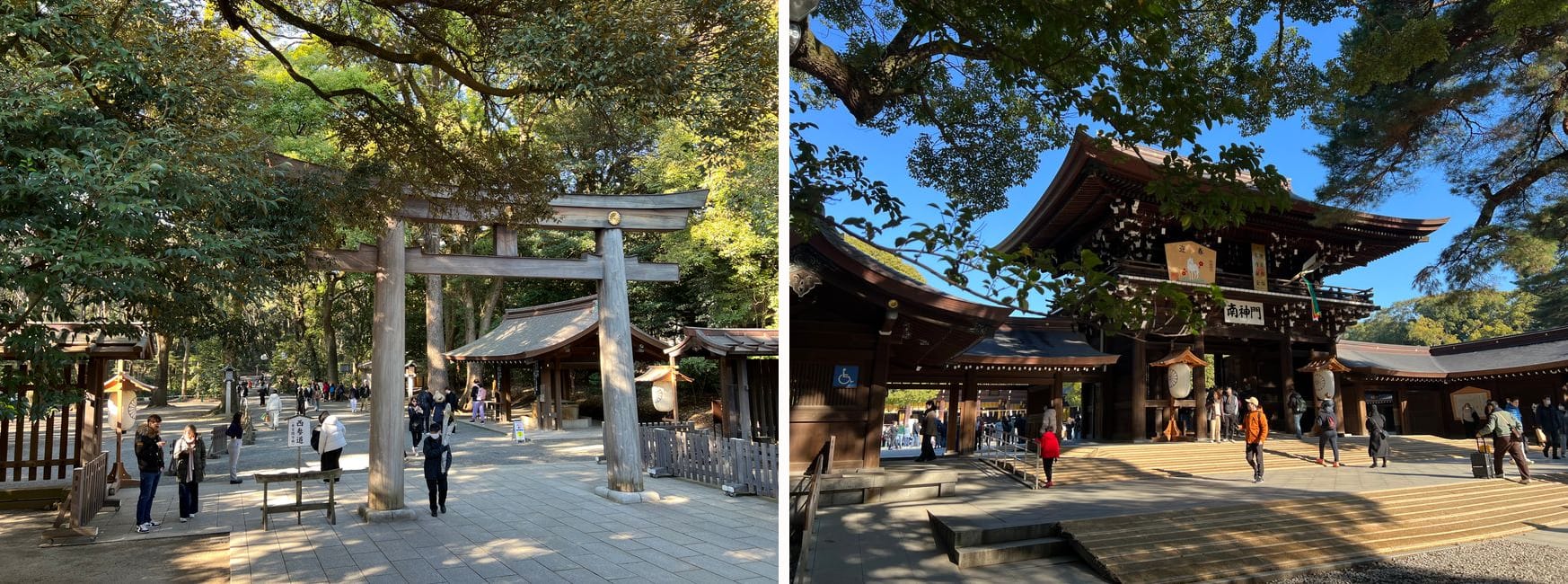
Early in the morning, the air around Meiji Shrine carries a distinct forest fragrance, as if you're stepping into a sanctuary blessed by the gods. Grand, traditional wooden structures rise among the trees, home to some of Japan's most revered Shinto architecture.
Meiji Jingu itself is remarkable: a sprawling 70-hectare forest tucked right in the heart of Tokyo, one of the world's largest megacities — yet it feels a world away from the urban rush just beyond its gates.
As noon approaches, the crowds begin to swell. If you're hoping to capture the perfect photo or browse the shrine's charming souvenirs in peace, an early-morning visit is your best bet.
Midday: Ikebukuro
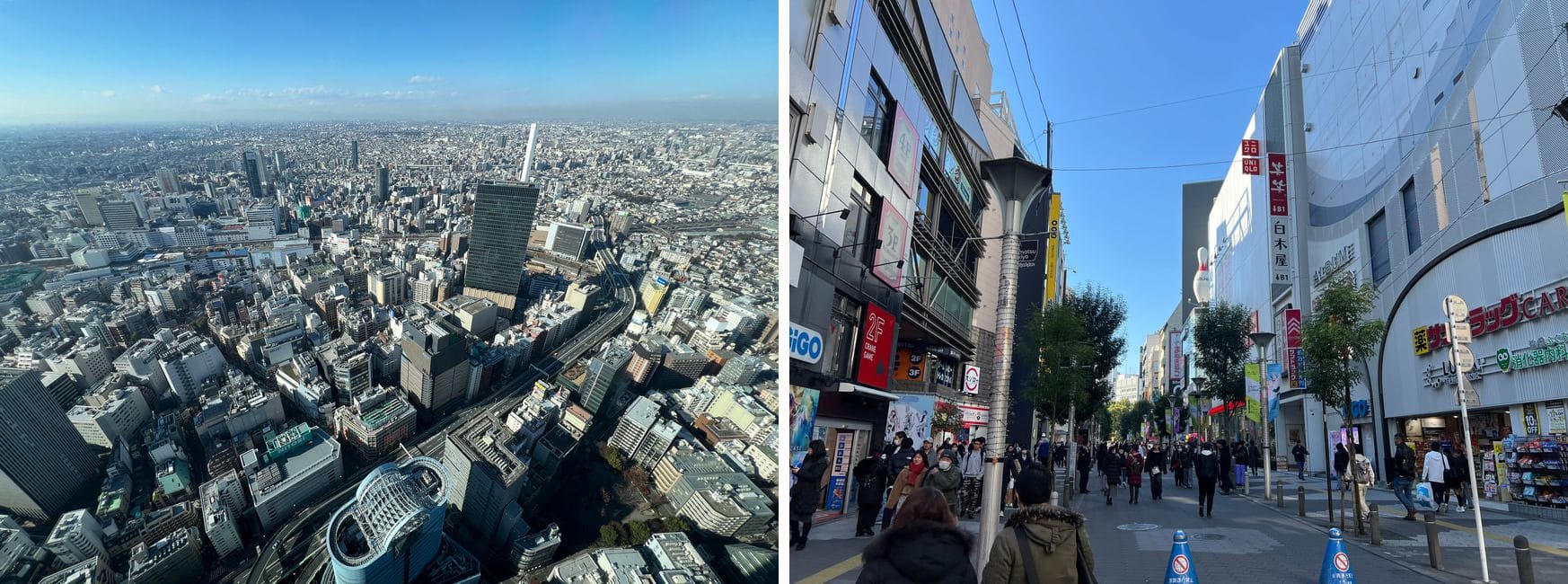
Try to reach Ikebukuro's shopping district before noon. Most restaurants open around 10:30, so if you want to try a famous local spot, lining up around 11:00 is your best shot at getting a table without too long a wait.
Ikebukuro is also packed with shops selling clothes and accessories, along with stores like Don Quijote and Animate where you can find affordable merchandise for all kinds of pop culture and anime goods — definitely worth a browse.
If the weather isn't cooperating, this is also a good spot to simply cancel your afternoon plans and spend the rest of the day exploring around Ikebukuro instead. Right in the heart of Ikebukuro is Sunshine City, a massive complex that brings together office towers, entertainment facilities, event spaces, a shopping mall, and a hotel all in one place. It draws more than 30 million visitors a year.
Afternoon: Meiji Memorial Picture Gallery
 Photos: PHOTO AC
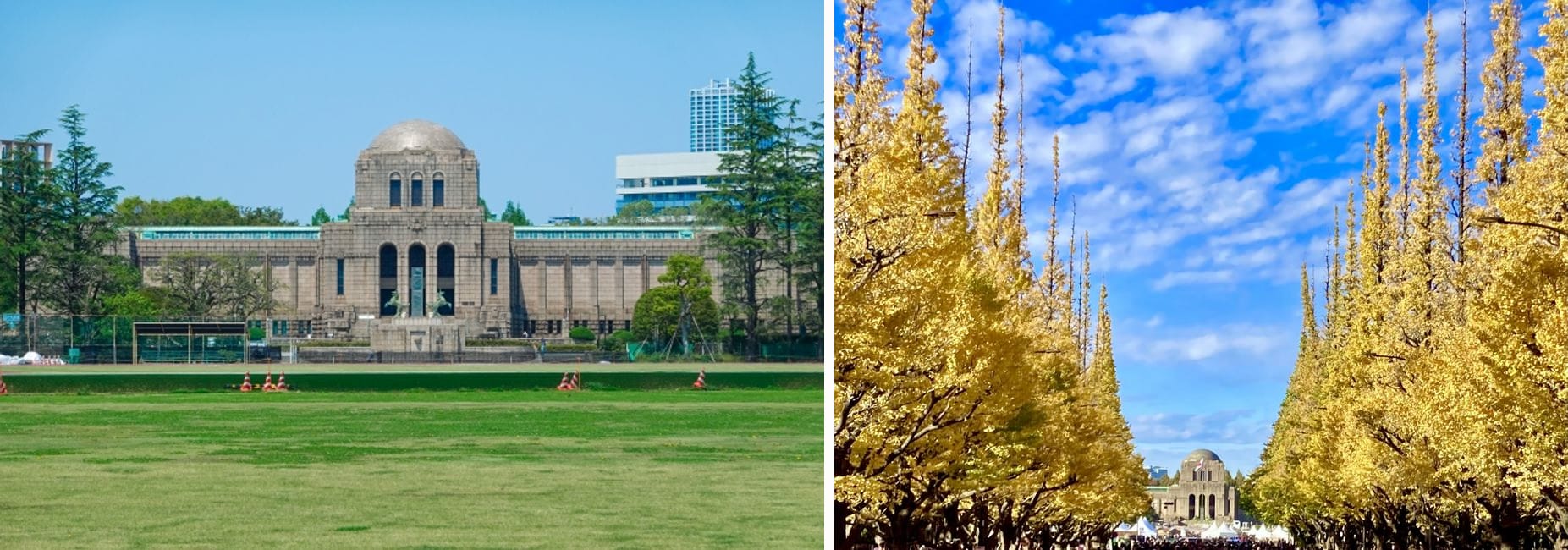
In the afternoon, head to the Meiji Memorial Picture Gallery. The view from the Gaien entrance on Aoyama-dori, looking down the ginkgo tree-lined avenue toward the gallery, is one of Tokyo's most famous autumn scenes.
Inside, the gallery houses large murals (each about 3 meters tall and 2.5–2.7 meters wide) depicting scenes from the lives of Emperor Meiji and Empress Shoken. Displayed in chronological order, they trace the major events of Japan's modern history — an era when Japan looked outward for knowledge, cast off old conventions, and made a dramatic leap toward modernization.
Evening: Shinjuku Gyoen
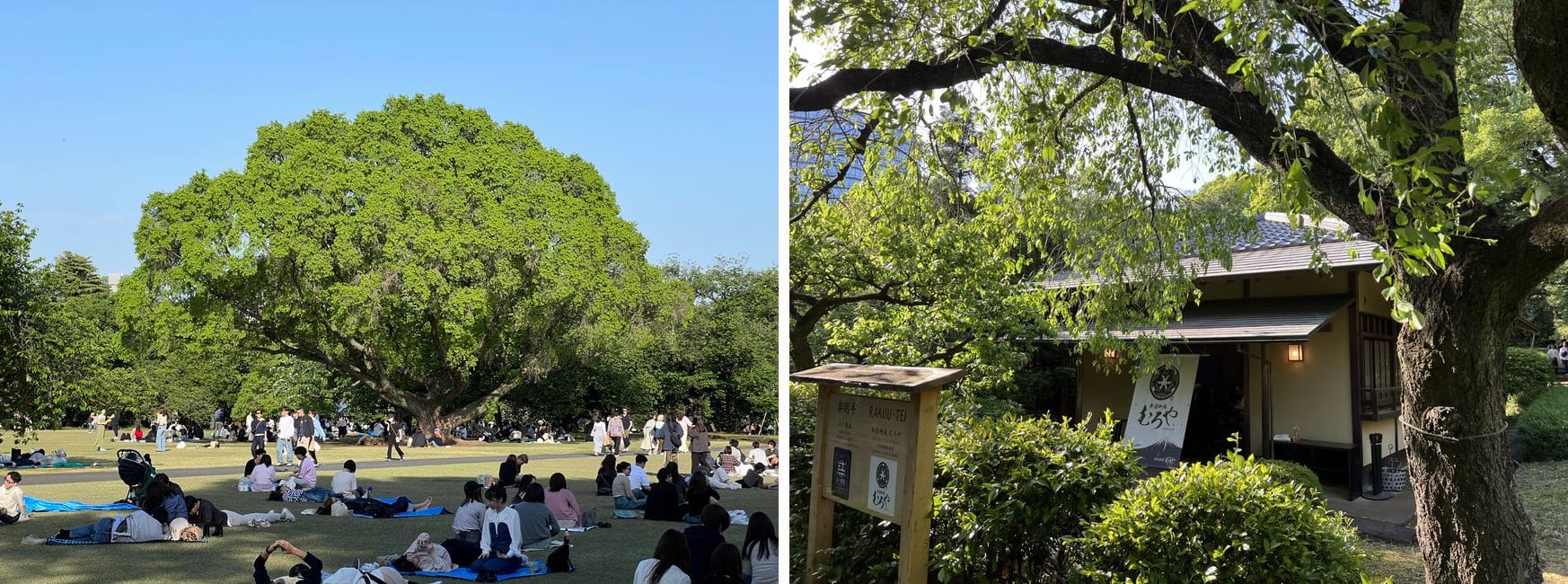
Shinjuku Gyoen is one of Tokyo's largest and most popular parks. Flowers bloom here year-round, but spring and autumn are especially beloved by locals and tourists alike. The park is made up of three distinct garden styles: a traditional Japanese landscape garden, a symmetrical formal French garden, and an English-style landscape garden.
Whether you just want to stroll through or settle in for an afternoon picnic, Shinjuku Gyoen is a wonderful choice. Tokyo locals often come here on their days off to relax, have a picnic, or get some outdoor exercise.
Dinner
On your way back to the hotel, consider stopping somewhere lively like Shibuya or Ebisu for dinner. Or, if you'd rather head back early, there are plenty of good restaurant options near the hotel too.
-
Seasonal notes: works in any season; Shinjuku Gyoen is especially pleasant in spring (cherry blossoms) and autumn (foliage), and the Sunshine 60 Observatory is a fully indoor stop that holds up well in any weather
-
Backup rainy-day options: The Sunshine 60 Observatory and the Sunshine 60-dori restaurant arcade are fully indoors, so the Ikebukuro block holds up well in wet weather. Meiji Shrine and Shinjuku Gyoen are outdoor stops; in heavy rain, consider shortening the Shinjuku Gyoen walk or swapping it for more time at the Sunshine City.
Before you go: The Meiji Memorial Picture Gallery is scheduled to be closed for renovation from April 2025 until around the end of May 2027. Since that window may still be in effect depending on your travel dates, confirm current opening status before building this stop into your plan — have a backup ready in case it's still closed.
Time-Block Itinerary
Start: Mitsui Garden Hotel Gotanda
End: Mitsui Garden Hotel Gotanda (same hotel — this is a Hub Day)
| Time | Stop | Line | Notes |
|---|---|---|---|
| 08:22 | Depart Gotanda → Harajuku | JR Yamanote Line | ~15 min by train |
| 08:40 | Meiji Shrine | — | Forest shrine grounds, about 1.5 hours |
| 10:30 | Depart Harajuku → Ikebukuro | JR Yamanote Line | ~15 min by train |
| 10:45 | Ramen lunch | — | Mitsuyado Seimen or Menya Hanada, Sunshine 60-dori |
| ~12:00 | Sunshine 60 Observatory | — | City views from the 60th floor; ¥700 weekday / ¥900 weekend & holiday |
| 13:30 | Sunshine 60 → Ikebukuro Station | — | ~30 min walk |
| 14:00 | Depart Ikebukuro → Sendagaya | JR Yamanote Line → JR Chuo-Sobu Line | ~20 min by train, transfer at Shinjuku |
| 14:40 | Meiji Memorial Picture Gallery | — | ¥500, about 50 min (closed Wednesdays — confirm renovation status first) |
| 15:50 | Shinjuku Gyoen | — | ¥500; walk from the Sendagaya Gate to the central rest area and greenhouse, about 70 min |
| 17:30 | Depart Sendagaya → Gotanda | JR Chuo-Sobu Line → JR Yamanote Line | ~20 min by train, transfer at Shinjuku |
| 18:00 | Dinner | — | Otoya (Ootoya), near the hotel |
| 19:00 | Pick up breakfast for tomorrow | — | Tokyu Store |
| ~19:30 | Mitsui Garden Hotel Gotanda | — | Return to hotel, end of day |
Transport Notes
- All legs of this day use ordinary JR lines — no reservations are required. Gotanda, Harajuku, and Ikebukuro are all on the JR Yamanote Line (green), with no transfers needed between them.
- Sendagaya isn't on the Yamanote Line, so both legs to/from Sendagaya involve a transfer at Shinjuku onto the JR Chuo-Sobu Line (Local, yellow). Double-check the exact transfer with a transit app on the day, since platform layouts at Shinjuku can be confusing for first-time visitors.
- The walk from Sunshine 60 back to Ikebukuro Station takes about 30 minutes; budget extra time if you're moving slowly after a big lunch.
- Shinjuku Gyoen has multiple gates — this route uses the Sendagaya Gate, which is the closest entrance to the Meiji Memorial Picture Gallery.
- Evening return to Gotanda is a straightforward ride with no line changes needed from Sendagaya.
Cost and Ticket Notes
- No special rail pass is needed for this day; single subway/train fares (IC card such as Suica or Pasmo is the easiest way to pay) cover every leg.
- Sunshine 60 Observatory: ¥700 (weekday) / ¥900 (weekend & holiday), adult.
- Meiji Memorial Picture Gallery: ¥500, adult — confirm it has reopened from renovation before counting on this stop.
- Shinjuku Gyoen: ¥500, adult.
- Budget for: train fares (several short rides), a casual ramen lunch, an observatory ticket, two garden/gallery entrance fees, and dinner at Otoya.
This day pairs well with:
- Tokyo - Arrival & Shibuya Streets — the day before, covering arrival at the same Gotanda hotel and an evening in Shibuya
- Tokyo - Imperial Palace, Asakusa & Skytree — the day after, also based at the same Gotanda hotel, before transferring on to Hakone